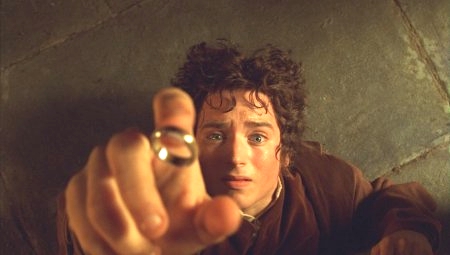
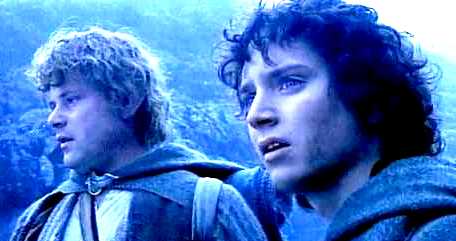
"The only thing necessary for the triumph of evil, is for good men to do nothing."
(Edmund Burke)
"Be not afraid of greatness: some are born great, some achieve greatness,
and some have greatness thrust upon them."William Shakespeare "Twelfth Night",Act II,Scene v
"It's a dangerous business, Frodo, going out your door..."
Bilbo Baggins to his nephew Frodo
All images © 2001. 2002 New Line Cinema
Heroes of a different sort are in the movies and on the Best Seller lists. The success of the "Lord of the Rings" and "The Hobbit" movies, and a re-discovery of J.R.R. Tolkien's books by a new generation have provided us with powerful images of heroism.
What are the true marks of a hero?
What is it that causes people to act heroically?
What is the cost of being a hero?
Do heroes sacrifice themselves for others?
Are real heroes often found in unlikely people?
|
|
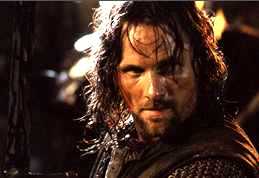
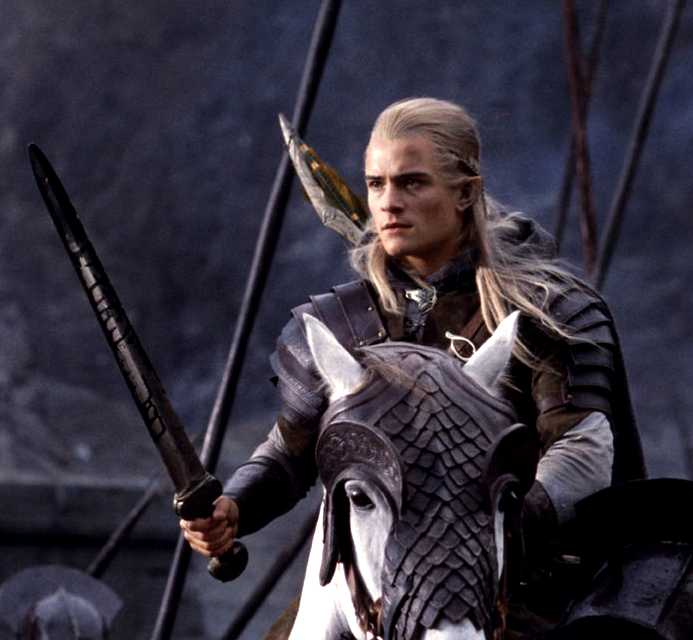
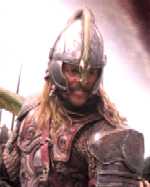
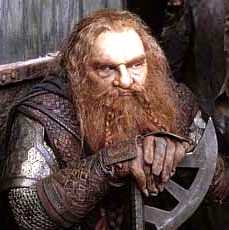
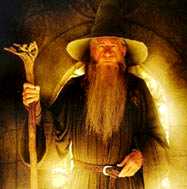
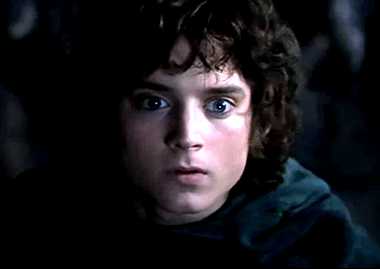
The heroes we meet in books and movies are often portrayed as powerful, fearless people actively seeking adventure, revenge, fame or fortune. This stereotype can easily be found in action films, video games, and professional sports. J.R.R. Tolkien's "The Lord of the Rings", and the movie versions, contain many characters who fit this model. And then there is Frodo Baggins. The Ring-bearer. |
|
|
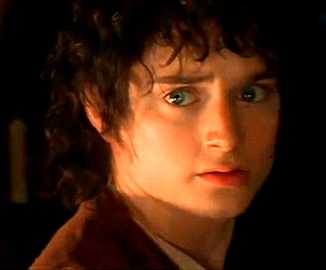
Frodo has none of the qualities we might look for in a hero. Compared to others in the story, he is the last character we would expect to embark upon a desperate quest to destroy the One Ring and save the world. Yet strangely, the greatest task of all is given to Frodo, the smallest and weakest of Tolkien's characters. This unlikely hero does not seek adventure, has no special abilities, and comes from a race of people who are unknown. Frodo, and others like him, is simply an ordinary person swept up in extraordinary events. And he has a choice to make. |
|
|